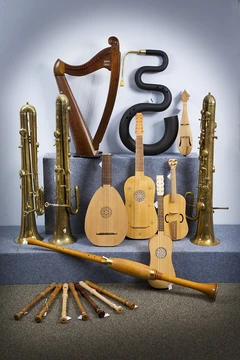
The Pipe organ
A wind-driven keyboard instrument with ancient Greek origins.

Ermell · CC BY-SA 4.0
The pipe organ is a musical instrument that produces sound by driving pressurised air (called wind) through organ pipes selected from a keyboard. It is one of the oldest instruments still used in European classical music, with origins traced to the hydraulis in Ancient Greece in the 3rd century BC. The pipe organ's continuous wind supply allows it to sustain notes as long as keys are pressed, distinguishing it from the piano and harpsichord.
- origin
- Ancient Greece, 3rd century BC
- inventor
- Ctesibius of Alexandria (credited)
- earliest predecessor
- Hydraulis
- key feature
- Continuous wind supply sustains notes
- historical distinction
- Most complex human-made device until the late 19th century
Lore & Background
The pipe organ's earliest predecessor, the hydraulis, was invented by the Greek engineer Ctesibius of Alexandria in the 3rd century BC, using water pressure to supply wind. By the 6th or 7th century AD, bellows replaced the water regulators in the Eastern Roman Empire.
Reader's Guide
The pipe organ has been installed in churches, synagogues, concert halls, schools, mansions, and other public and private properties. It is used in classical, sacred, secular, and popular music. In the early 20th century, pipe organs were installed in theaters to accompany silent films and in municipal auditoria for orchestral transcriptions. The beginning of the 21st century saw a resurgence in concert hall installations. A substantial organ repertoire spans over 500 years. The organ was the most complex human-made device until displaced by the telephone exchange in the late 19th century.
Did You Know?
- The word 'organ' is derived from the Ancient Greek ὄργανον (órganon), a generic term for an instrument or tool.
Common Misconceptions (Editorial)
Some people think the pipe organ originated in medieval Europe, but its earliest predecessor, the hydraulis, was invented in Ancient Greece in the 3rd century BC. Others mistakenly believe the organ was the most complex human-made device until only the early 20th century, when it actually held that distinction until the late 19th century.
Why It Matters (Editorial)
The pipe organ endures because it embodies a remarkable fusion of ancient engineering and musical artistry, from the hydraulis of Ctesibius to the towering instruments that later filled cathedrals and concert halls. Its ability to sustain notes with continuous wind creates a unique, immersive sound that no other keyboard instrument can replicate, reminding us that some of humanity’s oldest inventions still have the power to move and inspire.
Gallery


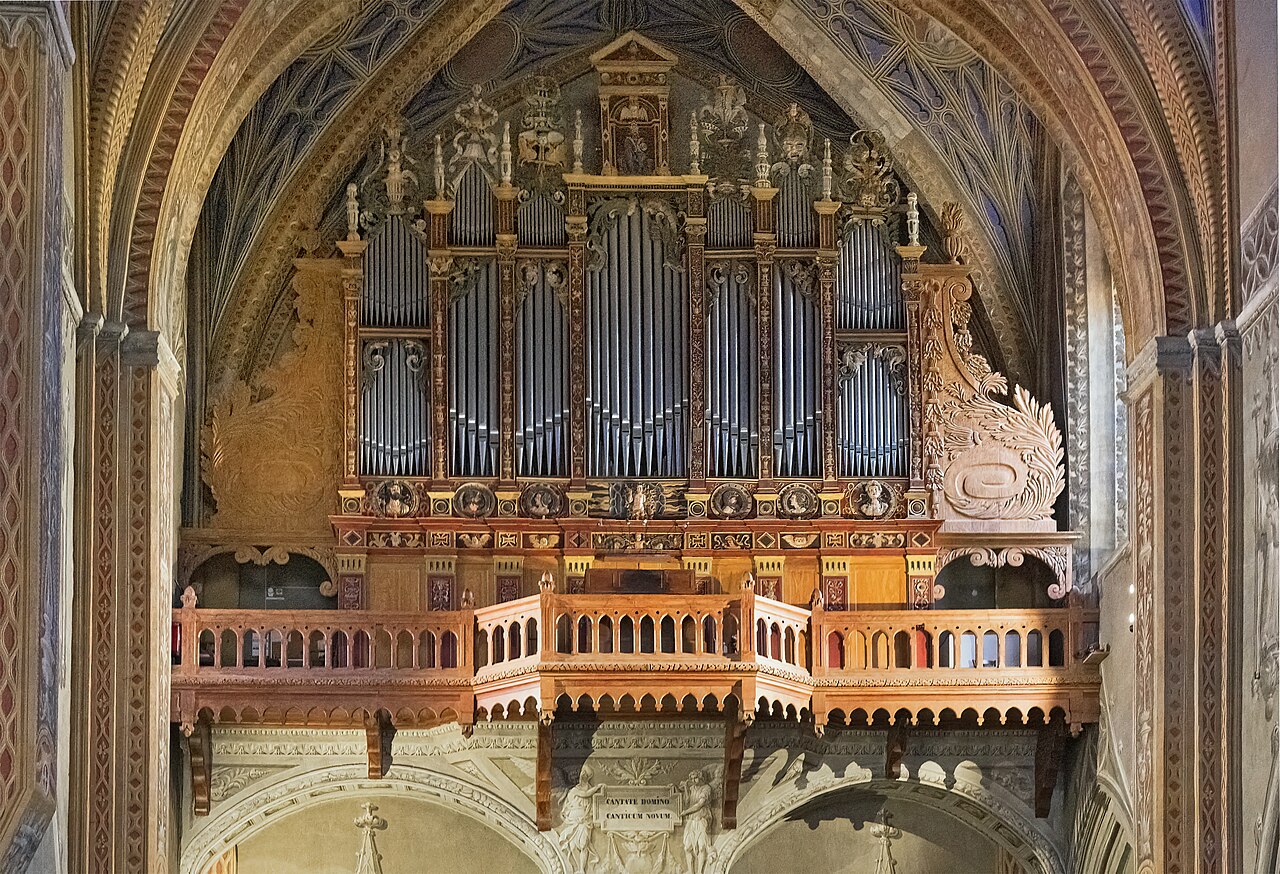
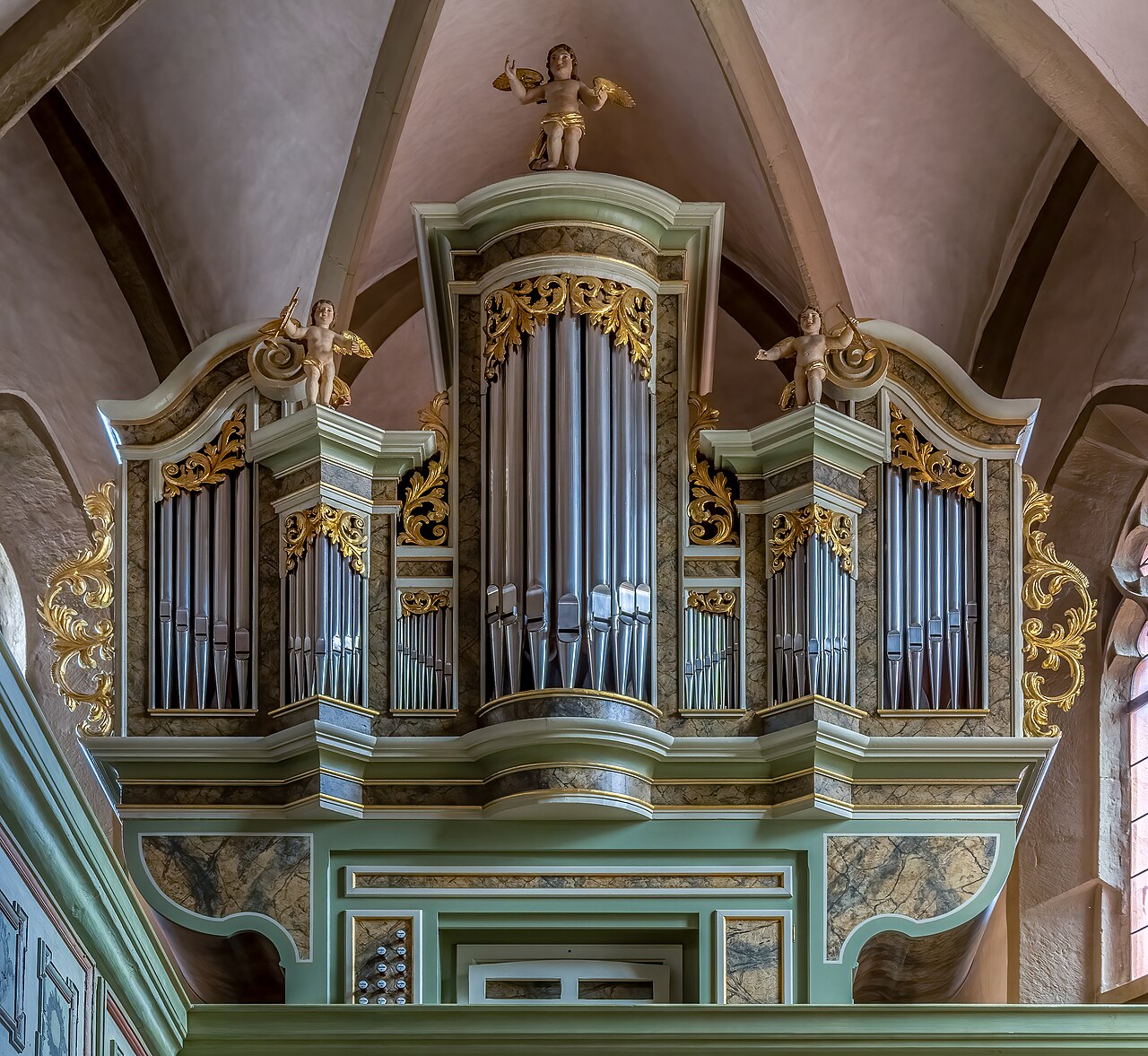
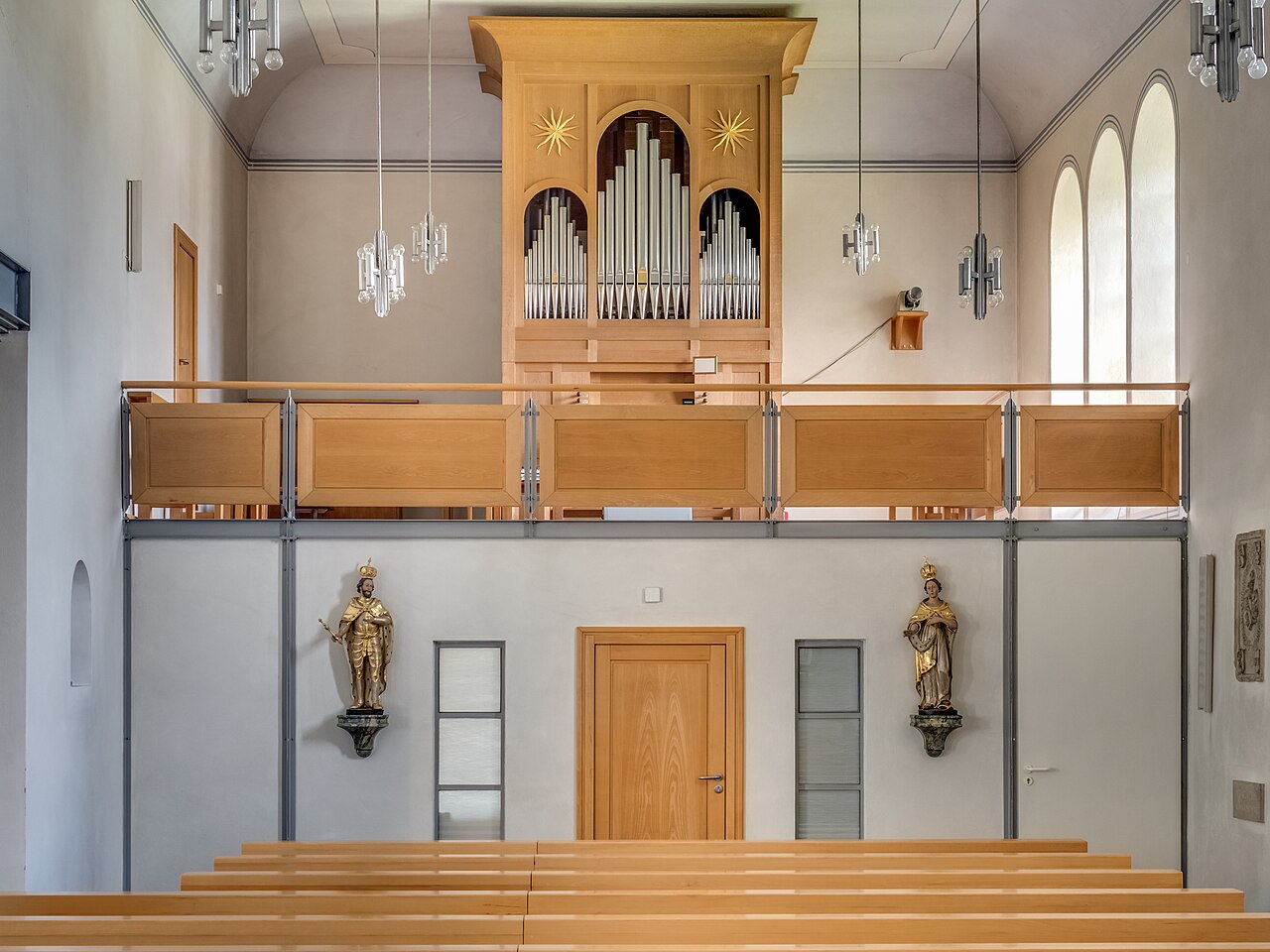

Frequently Asked Questions
Who is credited with inventing the pipe organ?
Ctesibius of Alexandria is generally credited as the inventor, working in Ancient Greece during the 3rd century BC. His design evolved from the earlier hydraulis, a water-powered predecessor.
What makes the pipe organ different from a piano or harpsichord?
The pipe organ draws on a continuous supply of pressurised air, so a note keeps sounding for as long as the player holds the key down. Neither the piano nor the harpsichord can sustain a tone in that way.
How does the pipe organ actually produce sound?
Pressurised air, called wind, is forced through individual organ pipes that are triggered by keys on a keyboard. Each pipe's length and shape determine the pitch and timbre of the note it emits.
Why is the pipe organ considered historically significant?
It held the title of the most complex mechanical device ever built by humans until the late 19th century. Its unbroken presence in European classical performance since antiquity also makes it one of the oldest instruments still in active use today.
More in Musical Instruments 1-22
Spotted an error? Know more?
This is a living reference — every entry is fact-audited, and reader corrections feed straight into our audit queue. Suggest an edit · See this site's audit record